Iron Nest: Heavy Turret Simulator - Official Demo Trailer
High-authority trailer evidence that the demo is being covered during the current trend window.
A practical operator reference for IRON NEST demo players. Use the triangulation loop, roadmap notes, firing checklist, shell table, map-tool notes, video embeds, and guide pages to get from orders to accurate fire faster.
Dieselpunk heavy artillery simulation
Steam demo page and SteamDB signal
Official Steam wording, with community messaging pointing to early August
Steam store listing
Steam full and demo pages
Aiming, shells, map tools, demo tutorial, mistakes, requisition
Follow the shortest player path through verified guides, quick tables, and evidence links.
Recent validation notes, update signals, and manual-check items stay close to the top.
Fast lookup tables for player tasks, route choices, codes, mechanics, and evidence status.
Use this as the homepage quick-start before reading the detailed aiming guide.
| Step | Player action | Why it matters |
|---|---|---|
| 1. Read the order | Identify target, coordinates, mission priority, and any special instruction. | Most bad shots start with a misunderstood order. |
| 2. Mark the map | Use grid, ruler, bearing, and range notes before touching the gun. | Map work prevents guessing and friendly-fire errors. |
| 3. Pick shell and charge | Choose the shell role first, then use charge to fit distance and effect. | Wrong shell choice wastes requisition and time. |
| 4. Set the weapon | Set bearing, elevation, loading sequence, and any mission-specific control. | The turret is a procedure game, not a reflex shooter. |
| 5. Observe and correct | Watch impact, compare against order, then adjust range or bearing. | Corrections turn misses into useful data. |
Use a conservative shell role table until you verify exact demo values in-game.
| Need | Default thinking | Common risk |
|---|---|---|
| Precise target | Use a shell and charge setup that favors controlled placement. | Over-correcting after one miss. |
| Area pressure | Prefer effect over pinpoint accuracy when the order calls for suppression. | Wasting high-value rounds on low-value targets. |
| Longer shot | Treat map measurement and charge choice as one decision. | Changing elevation without rechecking range. |
| Unknown order | Slow down and translate the instruction line first. | Firing before you know what the order asks. |
Use this as the fastest route from order text to a corrected shot.
| Step | Checkpoint | Player output |
|---|---|---|
| Teleprinter order | Read target, priority, and special instruction before touching the gun. | A one-line mission note. |
| Map mark | Mark the likely target zone and uncertainty. | A visible target candidate. |
| Triangulation | Use grid, ruler, and directional clues to reduce guesswork. | Bearing and range estimate. |
| Ballistic calculator | Translate map work into a firing setup. | Shell, charge, elevation, and bearing plan. |
| Fire sequence | Load, set, fire, observe, and record one correction at a time. | Readable impact data for the next shot. |
Use this table for current GSC intents: how to triangulate, roadmap, wiki, tutorial, calculator, and corrections.
| Query family | Best route | Avoid |
|---|---|---|
| How to triangulate | Open the dedicated how-to-triangulate guide, mark two clues, estimate bearing/range, then confirm with one correction. | Treating triangulation as a one-click calculator result. |
| Roadmap / road map | Use the demo tutorial and source links for confirmed release-window notes. | Inventing future missions or patch dates. |
| Wiki / tutorial | Start with the main guide, then aiming, shells, map tools, and demo tutorial pages. | Publishing a fake complete wiki while demo values are still provisional. |
| Corrections | Record short/long/left/right misses and adjust one variable at a time. | Changing charge, bearing, and elevation together. |
The site is structured around player tasks, not a generic wiki clone.
| Page | Intent | Use it for |
|---|---|---|
| IRON NEST guide | Main guide | Start here and route to every subguide. |
| Aiming guide | Core mechanic | Coordinates, map measurement, bearing, range, and corrections. |
| Shells | Reference | Shell role table and charge decision rules. |
| Map tools | Tutorial | Ruler, grid, line drawing, and target-marking workflow. |
| Demo tutorial | Walkthrough | First session route and mission checklist. |
Task-shaped guide pages with canonical URLs, related links, and source-aware claims.
Start here for the IRON NEST demo: firing loop, map reading, shell choice, requisition priorities, video evidence, and links to every focused guide page.
Read guideA practical aiming workflow for IRON NEST players: read the order, measure on the map, set bearing and range, fire once, then correct from impact.
Read guideA clean shell-reference page for IRON NEST players, focused on role-first shell selection and charge decision rules rather than copied ammo lists.
Read guideLearn a practical map-tool workflow for IRON NEST: turn orders into marks, measure range and bearing, and avoid firing before the map solution is clear.
Read guideA focused IRON NEST triangulation guide for players searching how to triangulate: translate orders, mark clues, estimate bearing and range, fire one readable shot, and correct safely.
Read guideA first-session IRON NEST demo tutorial for players who need a safe route through orders, map tools, shell choice, firing, and corrections.
Read guideA tool-planning page for the IRON NEST ballistic calculator intent, focused on what variables to track before building a real calculator.
Read guideA practical IRON NEST requisition guide for deciding what to spend, what to save, and how to avoid wasting resources during the demo.
Read guideTroubleshoot the most common IRON NEST beginner mistakes: wrong order reading, bad map marks, over-correction, wrong shell role, and requisition waste.
Read guideJump to the most useful routes, tables, and source checks from one compact hub.
Recent videos and public proof points are used as validation evidence, not decoration.
High-authority trailer evidence that the demo is being covered during the current trend window.
Direct evidence that players are searching for beginner workflow, map, shell, and aiming help.
Useful for observing how new players move through the demo and where guide questions appear.
Large-channel coverage increases the chance of follow-on search demand and beginner questions.
Very fresh gameplay signal, useful for validating that the keyword is still moving.
Supports a demo tutorial and common-mistakes page focused on difficulty spikes.
Supports map-tool and triangulation workflow sections without claiming exact UI labels until verified.
Supports a checklist that connects teleprinter orders, gun setup, and shot correction.
Supports watch-learn checkpoints for first-session route and map-to-fire sequence.
Public media references help players recognize mechanics, menus, maps, and interface terms.


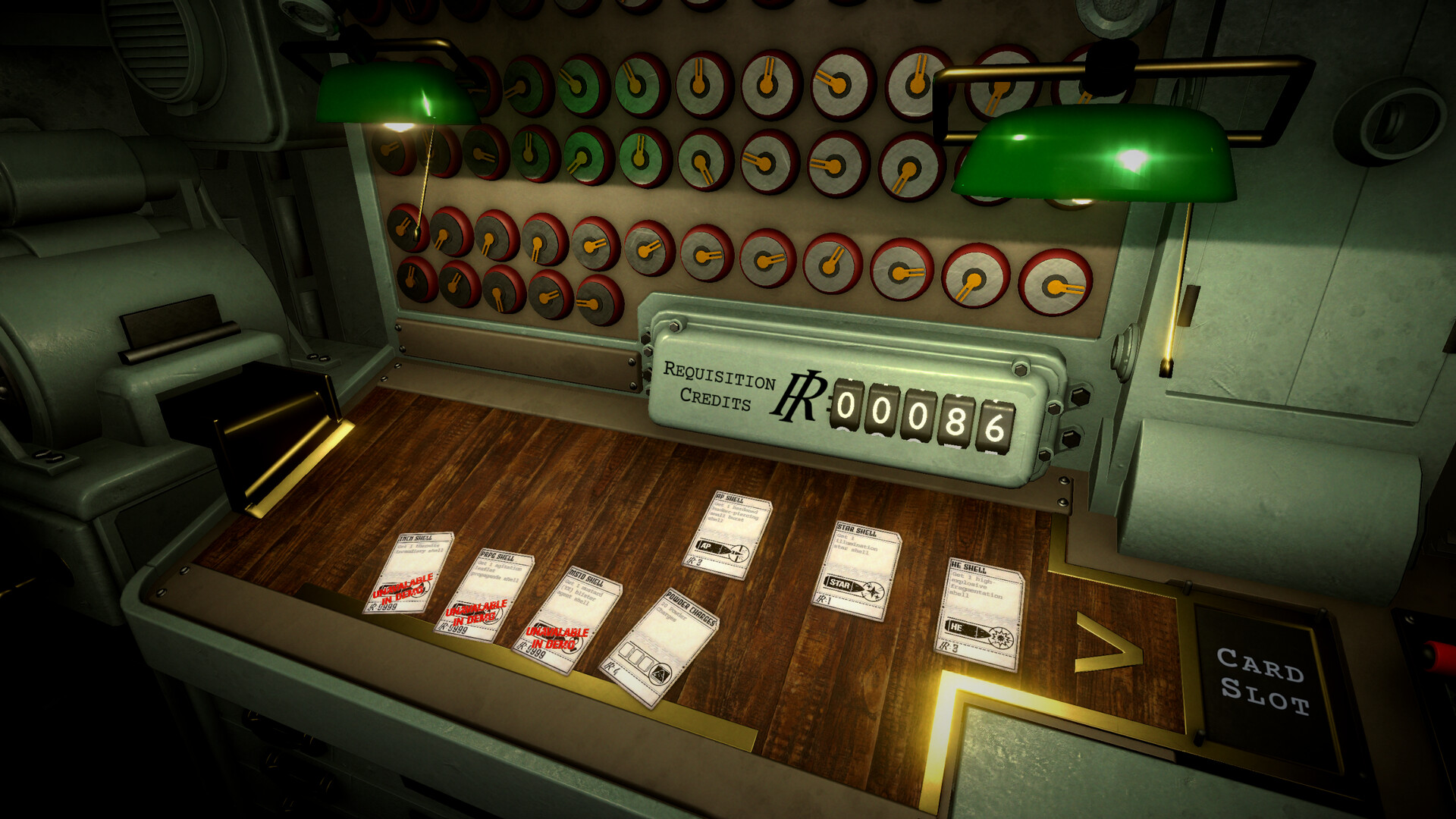
Short answers for long-tail search tasks, verification limits, and launch decisions.
No. This is an independent guide site. Use the Steam page and the official link hub for official announcements, purchases, and developer updates.
Learn the firing loop: read the order, mark the map, choose shell and charge, set bearing and elevation, fire, then correct from impact evidence.
Use the how-to-triangulate guide as the starting point: translate the order into a target zone, mark known clues, estimate bearing and range, then fire one readable shot and correct only the variable that explains the miss.
It keeps roadmap wording conservative. The site links to official Steam and community sources, tracks confirmed demo and release-window facts, and avoids claiming future missions, dates, or mechanics that are not verified.
Those are the clearest guide-intent questions from the current research pack. They also create useful reference pages that are different from a generic review.
No. The current build references public Steam CDN media by URL for source-backed visual context. The site should not download or rehost those files unless asset policy is confirmed.
Source links stay visible so facts can be rechecked before publishing or expanding guides.